




Natural and vegan cosmetics made in Quebec: how to identify them (and why it makes all the difference)
The word "natural" is written on almost everything sold today. On shampoos, creams, even on products with an arm's length list of ingredients. So how do you know if a cosmetic is really natural, truly vegan, and genuinely made here? We'll explain.
The real test is the ingredient list
Forget the word "natural" written in big letters on the packaging. The only truthful clue is the ingredient list on the back of the product. If you read it and recognize almost everything in it, that's a good sign. If it looks like a chemistry formula, not so much.
That doesn't mean a natural product is simple to make, mind you. Our botanical oils, for example, macerate for over a month before they're ready. The complexity is in the process, not in a list of additives.
And what exactly does vegan mean?
No ingredients of animal origin. No honey, no beeswax, no collagen. It's a different promise from "natural"; the two don't necessarily go together, but when a brand upholds both at the same time, you can usually expect a simpler, more honest formula.
Why "Made in Quebec" matters
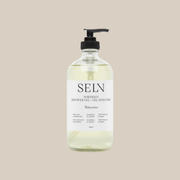
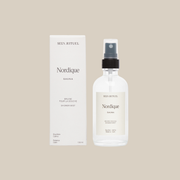
A product made a few kilometers from your home means a smaller batch, tighter quality control, and a team you can actually contact if you have a question about an ingredient. This has been our case since 2020: every bath salt and every botanical oil Selv Rituel is handmade in Montreal.
Next time you buy a "natural cosmetic," turn the bottle over. The truth is always written on the back.
Written by
Sarah LarocheFondatrice de Selv
Ambassadrice du slow living. D'abord styliste, puis photographe, Sarah a été inspirée par ses voyages, qui lui ont fait découvrir un mode de vie plus lent, où l'on prend soin de soi et des autres. De cette envie, et de sa passion pour le rituel du bain, est né Selv.